

INTERIOR INSPIRATION
Colour in Interior Design: Psychology and Selection
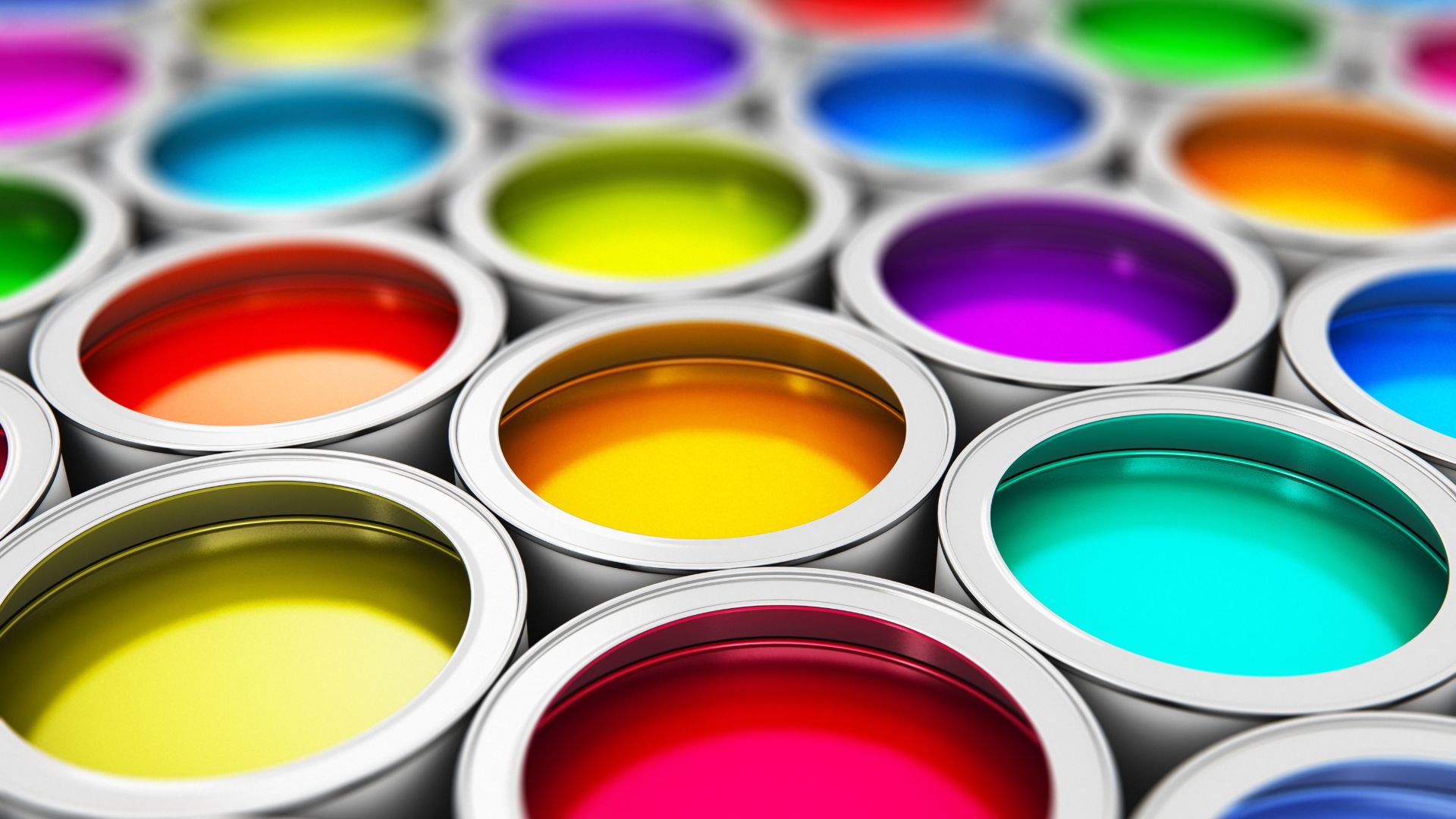
Colours have a powerful influence on interior design. They are about more than visual aesthetics: they also have significant psychological effects on the people using a room. The right colours can create the desired atmosphere, improve productivity and increase comfort. In this article, we explore colour psychology and how to choose suitable colours for an interior.
1. Colour Psychology
Before discussing colour selection, it is important to understand how colours affect emotions and mood. Here are some common psychological effects associated with colours:
Red: A bold colour associated with energy, courage and enthusiasm. It can also stimulate appetite and attract attention.
Blue: A soothing colour that can create a sense of calm and relaxation. It is often used in bedrooms and sleeping spaces.
Yellow: A cheerful colour associated with happiness and warmth. It can convey joy and excitement.
Green: A colour of nature and balance. It is often used in rooms intended to create a sense of peace and harmony.
Purple: A mysterious, luxurious colour that can create a dramatic, elegant atmosphere.
Orange: A lively colour associated with excitement and vitality. It suits rooms where you want an energetic atmosphere.
2. Choosing the Right Colours
When choosing colours for an interior, consider the following factors:
Room Purpose: Consider the room’s main purpose. Is it a calming bedroom or a motivating workspace? Match the colours to its function.
Room Size: Colours affect how spacious a room feels. Light colours such as white or cream can make it appear larger, while dark blue or deep red can create a sense of depth.
Light: Consider the level of natural and artificial light in the room. Colours look different under different lighting conditions. Try colour samples in the room before making a final decision.
Colour Palette: Create a consistent colour palette throughout the room. Choose a main colour and accents for decorative elements such as cushions, rugs and accessories.
Bold Design: Do not be afraid to experiment with colour. Bold colours can give your room a distinctive character.
3. Neutral Colours as a Base
White, cream, grey and beige are often used as base colours in interior design. They offer flexibility and allow you to add colour accents as you wish. They also create a clean, calm background that provides a good foundation for a design.
4. Balance Is Key
Balance matters when choosing colours. If you use bright, bold colours as the main focus, include calming elements to prevent the room from feeling overwhelming.
Choosing colours is an important step towards creating the desired atmosphere and reflecting the personality of the people using the room. By understanding colour psychology and considering the room’s purpose, size, light, colour palette and balance, you can create an attractive interior that also supports emotional well-being.
← More articles