

INTERIOR INSPIRATION
Modern vs. Classic Interior Design: Understanding the Differences
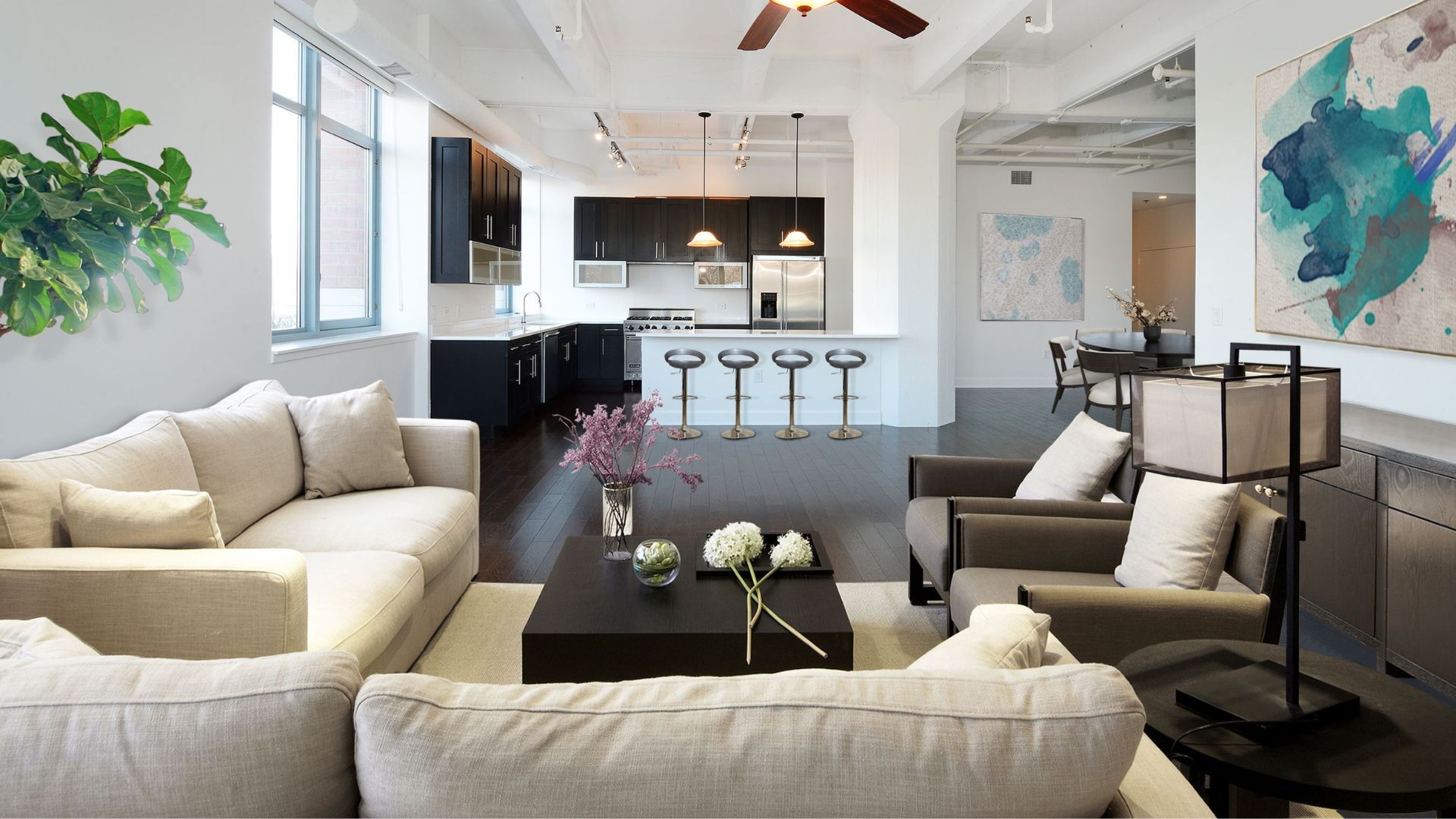
Two major styles often take centre stage in interior design: modern and classic. They offer very different approaches to creating a room’s atmosphere and aesthetics. Let’s explore the fundamental differences between modern and classic interior design.
Modern Interior Design
1. Strong Minimalism: Modern interior design is known for its minimalist approach. It removes unnecessary elements to create a clean, tidy and simple look. Simple furniture with clean lines is a hallmark of this style.
2. Neutral Colours: White, grey and black often dominate modern interiors. A calm colour palette makes a space feel larger and allows other design elements to stand out.
3. Modern Materials: Modern interior design often uses materials such as metal, glass and concrete. These create a clean, futuristic appearance.
4. Natural Light: Natural light is highly valued in modern design. Large windows and daylight play an important role in creating bright, open spaces.
5. Function Before Aesthetics: Modern design often emphasizes function and comfort. Furniture frequently features ergonomic and multifunctional designs that make the most of available space.
Classic Interior Design
1. Traditional Elegance and Beauty: Classic interior design embraces a more traditional and luxurious aesthetic. It honours the design heritage of the past and creates an elegant, sophisticated look.
2. Details and Ornamentation: Classic design is known for its rich details and ornamentation, including carved wood, mouldings and other beautiful decorative features.
3. Rich Colours: Classic colour palettes often include rich tones such as gold, burgundy and dark brown, creating a warm, luxurious appearance.
4. High-Quality Materials: Classic design uses high-quality materials such as solid wood, marble and silk. These create a sense of luxury and timelessness.
5. Decorative Lighting: Lighting in classic interiors is often decorative, such as crystal chandeliers or ornate wall lights. It creates a luxurious, dramatic atmosphere.
6. Tradition and Heritage: Classic design often honours tradition and cultural heritage. It may include antique furniture or objects with historical value.
7. Sentiment and History: Classic interiors often evoke sentiment and history. They connect with the past while offering comfort and warmth.
Conclusion
Choosing between modern and classic interior design means deciding on the style and feeling you want to create. Modern design emphasizes simplicity and function, while classic design embraces luxury and tradition. Understanding the differences can help you choose a style that suits your personality and design needs and create a room that reflects you. Ultimately, what matters most is that your interior brings comfort and happiness to you and the other members of your household.
← More articles