

INTERIOR INSPIRATION
Minimalist Interior Design: Beauty in Simplicity
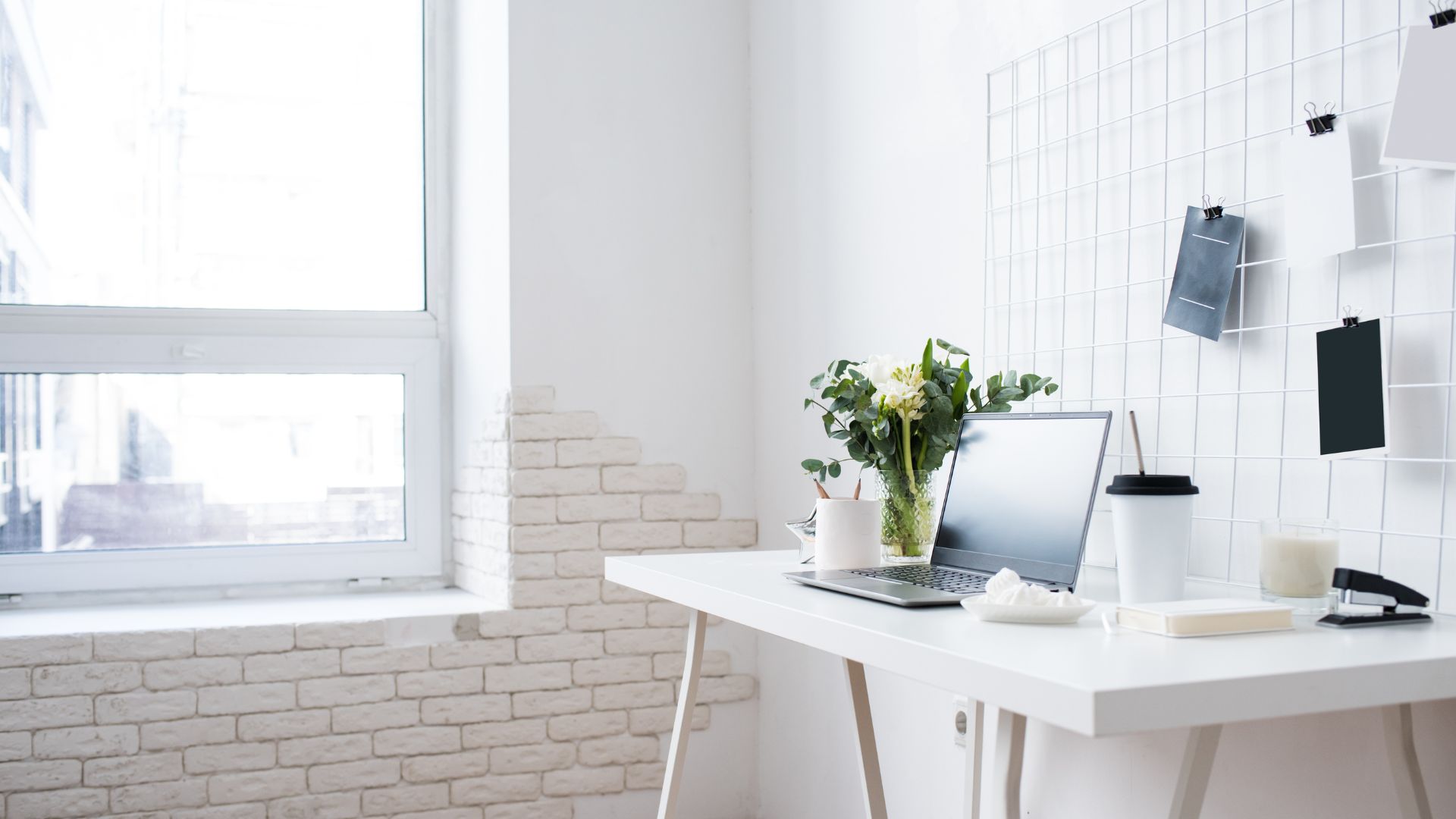
Minimalist interior design has transformed the design world over the past few decades. It offers a simple, clean and efficient approach to decorating, following the philosophy that “less is more” can create profound beauty. This style removes unnecessary elements to create calm, elegant and inviting spaces.
1. The Philosophy of Minimalism
Minimalism is about more than aesthetics; it is also about a more mindful and sustainable lifestyle. It means freeing yourself from excess, focusing on what truly matters and creating balance in life.
In interior design, minimalism teaches us to remove visual noise and reduce clutter. This creates tidy, peaceful spaces where the mind can relax and creativity can flourish.
2. The Keys to Minimalist Design
a. Neutral Colours: White, grey, cream and beige are common colours in minimalist design. They create a calm backdrop and make a room feel larger.
b. Natural Materials: Wood, stone and glass are often used in minimalist design. They add natural elements that bring warmth and an organic feel to a room.
c. Simple and Clean: Simple furniture with clean lines is a defining characteristic of this style. Avoid excessive ornamentation or intricate details.
d. Natural Light: Minimalist design places a high value on natural light. Large windows, sliding glass doors and mirrors can help bring more daylight into a room.
e. Removing Visual Noise: Minimalism calls for removing unnecessary belongings. The same principle applies to decoration. Focus on a few decorative items that are important and meaningful to you.
3. Space for Reflection
One of the beauties of minimalist design is its ability to make space for reflection and calm. Minimalist rooms often feel more spacious and give homeowners a chance to reflect and find peace in simplicity.
4. A Sustainable Environment
Minimalism also embraces sustainability. Having fewer possessions and using fewer materials in a design can reduce waste and environmental impact. This aligns with the growing importance of sustainability in modern interior design.
5. Conclusion
Minimalist interior design is the art of finding beauty in simplicity. It is a thoughtful, calm and sustainable approach to creating inviting spaces. Through neutral colours, natural materials, clean lines, natural light and the removal of visual noise, minimalism creates an ideal environment for reflection, creativity and simple living. In an increasingly complex world, minimalist design reminds us that beauty can be found in the simplest things.
← More articles