

INTERIOR INSPIRATION
Eco-Friendly Interior Design: Protecting the Environment with Style
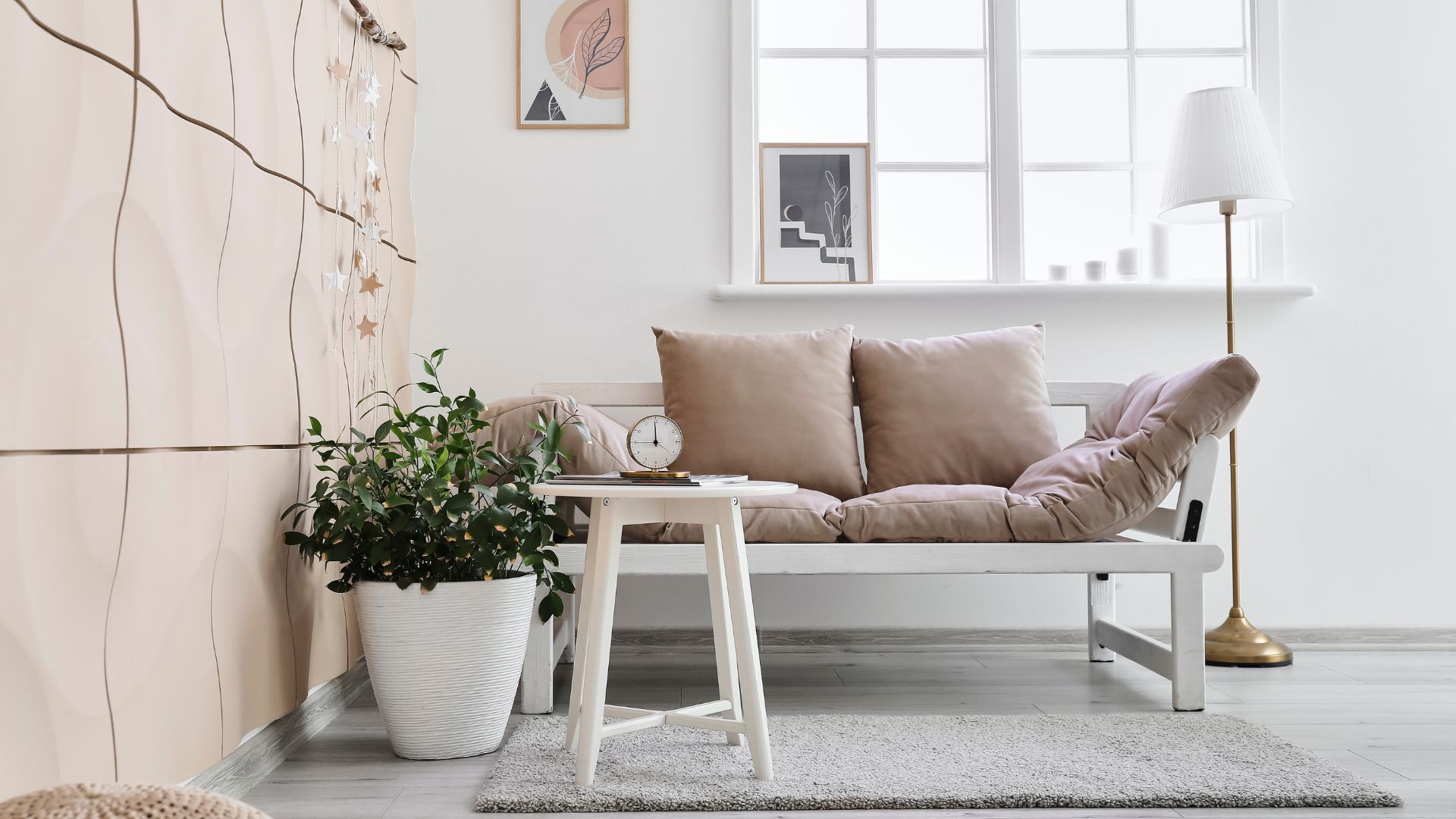
In a modern world that is increasingly aware of environmental issues, eco-friendly interior design has become a highly relevant trend. This approach creates beautiful indoor environments while respecting nature and reducing our impact on the planet. In this article, we explore eco-friendly interior design and ways to adopt it in everyday life.
1. Use Environmentally Friendly Materials
A key aspect of eco-friendly interior design is choosing environmentally friendly materials. These include recycled materials, such as reclaimed timber or recycled glass, and natural materials, such as bamboo or organic fabrics. Using these materials helps reduce demand for limited natural resources and cuts waste.
2. Energy Efficiency
Efficient energy use is an important part of environmentally friendly interior design. Use energy-saving LED lighting, choose appliances with high energy-efficiency ratings and make the most of natural light to reduce consumption. Good insulation also helps maintain indoor temperatures and reduces the need for excessive heating or cooling.
3. Use Water-Based Paint and Other Environmentally Friendly Materials
Water-based paints are a more environmentally friendly choice than oil-based paints. They emit fewer toxic gases and are easier to recycle. Also consider durable, easy-to-maintain flooring materials such as recycled rubber, linoleum or ceramic tiles.
4. Environmentally Friendly Furniture and Decoration
Choose furniture and decorations produced using environmentally friendly practices. Many companies now offer products made from recyclable materials or timber sourced from sustainably managed forests. Consider buying second-hand or vintage items too, which reduces waste and extends product lifecycles.
5. Waste Management
When designing an eco-friendly space, consider waste management as well. Make the most of recycling and composting at home and, where possible, choose products that last longer and can be recycled.
6. Use Plants in Your Design
Houseplants are an excellent addition to eco-friendly interior design. They can help clean indoor air, improve air quality and bring a fresh, natural feel to your room. Plants also help create a sense of harmony with nature.
7. Awareness and Education
Above all, awareness and education matter. Understanding the environmental impact of our interior design decisions and learning about environmentally friendly alternatives are the first steps towards more sustainable interiors.
Conclusion
Eco-friendly interior design is an attractive and responsible way to create inviting spaces while protecting our planet. By choosing environmentally friendly materials, reducing energy consumption, managing waste well and developing environmental awareness, you can create spaces that are beautiful and beneficial to the environment and future generations. Eco-friendly design is more than a trend: it reflects our responsibility to preserve nature.
← More articles